

Are Performance Modules Just a Scam? Let’s Debunk the Myths
You’ve probably heard the naysayers—those folks who swear that performance modules (or “tuning boxes”) are just fancy tricks with no real tech behind them. They’ll tell you, Every company brags about their ‘advanced German engineering,’ but the sad truth is, there’s nothing high-tech about these boxes. They just mess with the signals between the ECU and the sensors to boost power. No innovation, no feedback loop—just a cheap trick.
Sounds convincing, right? But let’s break it down. There are three big claims here: technology, deception, and feedback. Time to set the record straight.

1. Technology: It’s All About the Software
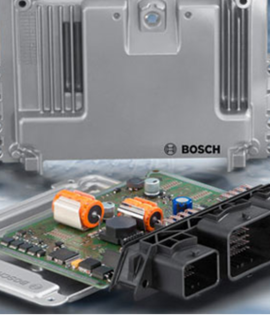
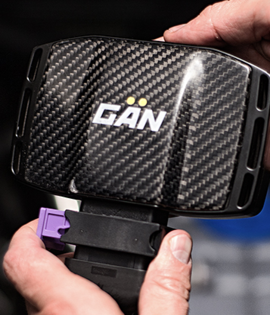
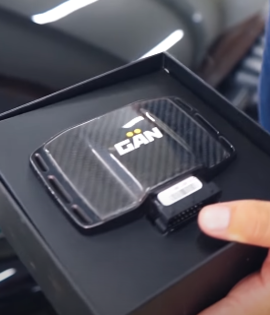
Sure, the hardware might look simple—just a little box plugged into your car’s brain (the ECU). But don’t be fooled; the real genius is in the software. Think of it like this: a basic calculator and a smartphone both have circuits, but one can do way more. The same goes for performance modules. The magic isn’t in the wires; it’s in the code that tweaks your engine’s fuel maps. Car manufacturers spend ages perfecting these maps to balance power, efficiency, and longevity. Tuning companies do the same—they’re not reinventing the wheel, but they’re fine-tuning it. The best ones are miles ahead because their software is optimized to squeeze out every drop of performance without pushing the engine too far.
2. Deception: Both Methods Are “Tricks”—Here’s Why
Let’s talk about this “trick” business. Here’s the thing: all chip tuning is about tricking the system to get more power. Whether you’re reprogramming the ECU directly (OBD tuning) or using a performance module, you’re still tweaking the engine’s parameters to make it perform differently. OBD tuning digs into the ECU’s memory and changes the software inside. Performance modules do it from the outside, tweaking sensor inputs to achieve the same goal. Both are “deceiving” the system—it’s just a matter of how. So, calling one a scam and the other legit is like saying a screwdriver is better than a wrench. They’re different tools for the same job.
3. Feedback: Your Car’s Still in Control
Now, the feedback argument. Critics say performance modules don’t have a feedback loop,
so they can’t adapt to the car’s condition. But here’s the deal: your car’s original ECU is still the boss. It’s got all the sensors, all the data, and it’s constantly adjusting to keep everything running smoothly. The performance module doesn’t need to babysit the engine—it just tweaks a few inputs (like fuel pressure or boost levels) in real time. It’s like having a co-pilot who knows exactly when to suggest a little more throttle. The ECU still handles the heavy lifting, so you’re not flying blind.
The Bottom Line
When it comes to choosing between OBD tuning and performance modules, it’s not about which one is a scam
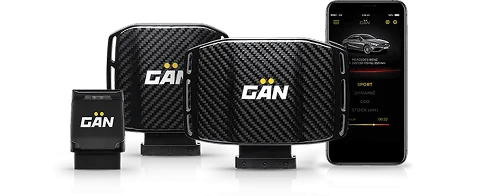
—it’s about weighing the pros and cons. Performance modules are plug-and-play, warranty-friendly, and reversible. OBD tuning might offer more customization but can be riskier and harder to undo. So, next time someone tries to tell you that performance modules are just smoke and mirrors, you can smile and explain how they’re actually a smart, safe way to unlock your car’s hidden potential—without voiding the warranty or breaking the bank.