

THE BRAIN BEHIND YOUR CAR’S BRAWN: THE ENGINE CONTROL UNIT
We’re living in a world drowning in tech chatter—think endless blogs, forums, and videos breaking down everything from quantum physics to car mods. Cool, right? Well, not always. The downside? For the average car owner, it’s like trying to read hieroglyphics while figuring out what you can tweak on your ride without screwing up the factory setup. Confusing? You bet.
That’s where we come in. This article is all about demystifying one of the slickest, trickiest pieces of your car: the electronic control unit (ECU). We’re keeping it simple but packing in the juicy technical details you need to know.
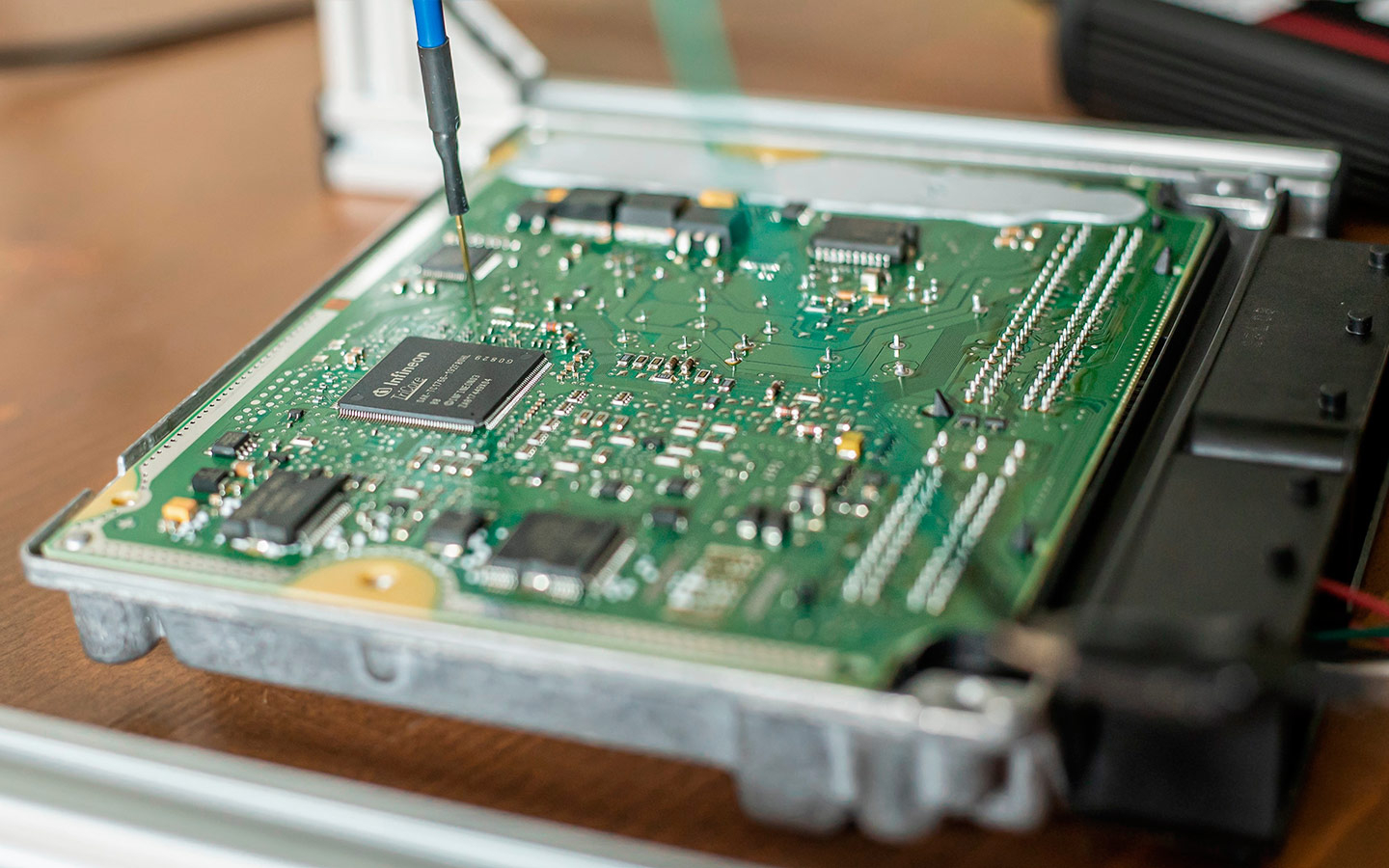
A Quick Rewind: The ECU’s Big Debut
The story of chip tuning kicks off way back in 1939, when the ECU—also known as the engine control module—rolled onto the scene. This wasn’t just some random gizmo; it was a game-changer, turning cars into smarter, smoother machines. So, what’s this thing do? Let’s break it down.
What’s an ECU, Anyway?
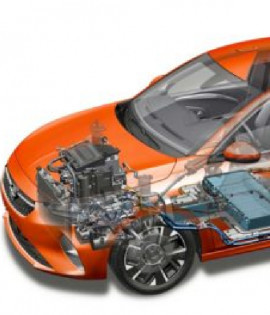
Picture the ECU as the mastermind of your car—a pint-sized computer calling the shots under the hood. It’s the boss of one or more systems (and subsystems), juggling everything like a pro. You might hear it called the electronic control module (ECM), the central control module (CCM), or even the car’s head honcho computer
. Point is, it’s the brains of the operation.
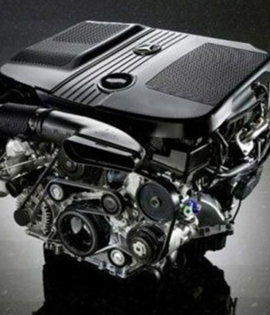
The engine control unit, a star player in the ECU family, runs the show for your internal combustion engine. It’s got a crew of actuators (fancy word for “doers”) that it directs like a conductor with a baton, keeping your engine humming at its best. How? By scanning data from a ton of sensors in the engine bay, crunching it through fuel maps (think high-tech cheat sheets), and telling the engine’s parts when to move.
Fuel: The ECU’s Playground
One of the ECU’s VIP tasks? Managing your fuel like a chef perfecting a recipe. It measures out just the right amount of gas your engine needs—no more, no less. A clever little program inside grabs sensor data, does some quick math, and decides how much fuel to pump in. Then, it picks the perfect moment to mix that fuel with air for max power. That magic timing? It’s called the injection pulse width, and it’s what keeps your engine roaring instead of choking.
But wait, there’s more! The ECU also keeps your car idling smooth as butter at stoplights and makes sure the ignition sparks at just the right second. Pretty slick, huh?
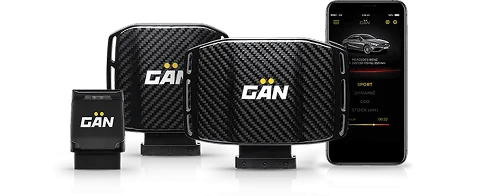
Chip Tuning: Cranking Up the Fun
Here’s where things get exciting. Modern ECUs are like customizable playlists—you can tweak them to your liking. That’s the heart of chip tuning. The classic move, known as OBD tuning (or garage style
), involves reprogramming the ECU directly. It’s a hot ticket if you’ve souped up your engine with goodies like an intercooler, a turbocharger, alt-fuel gear, or a beefed-up exhaust. But heads-up: mess with the wrong settings, and you might ditch the engine’s safety nets, risking a breakdown.
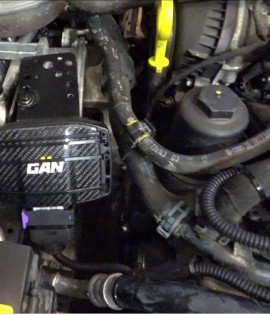
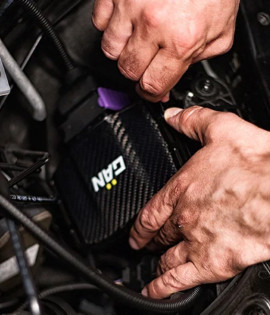
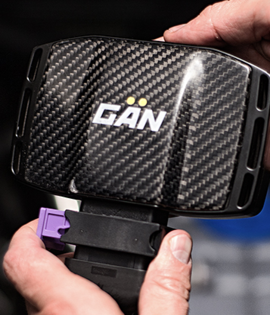
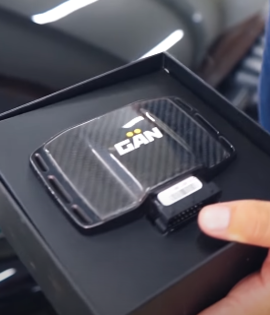
Good news, though—there’s a safer way to boost your ride. Enter add-on ECU modules. This trick slips an extra control unit into the mix without touching the stock safeguards. No overloads, no drama. The folks at GAN Tuning Buro are pros at this, crafting power-boosting modules that amp up your car without kissing your warranty goodbye. It’s like giving your engine a caffeine shot—safe, legal, and oh-so-satisfying.
Why Go For It?
Maybe you’re thinking, My car’s good enough.
Fair. But what if you could shave time off your 0-60 sprint or stretch a few more miles out of every tank? Chip tuning unlocks your car’s secret sauce—whether you’re after raw speed or just want to flex some fuel efficiency.
So, there you have it—the lowdown on the ECU and how chip tuning can take your ride to the next level. Ready to wake up your car’s hidden beast? The road’s calling!